

Salon, Beauty & Barber · Editorial resource
Communication Preferences Are Shifting. Service Businesses Must Adapt.
How to read this article: Editorial operating analysis. Examples describe questions and possible patterns, not documented client outcomes.
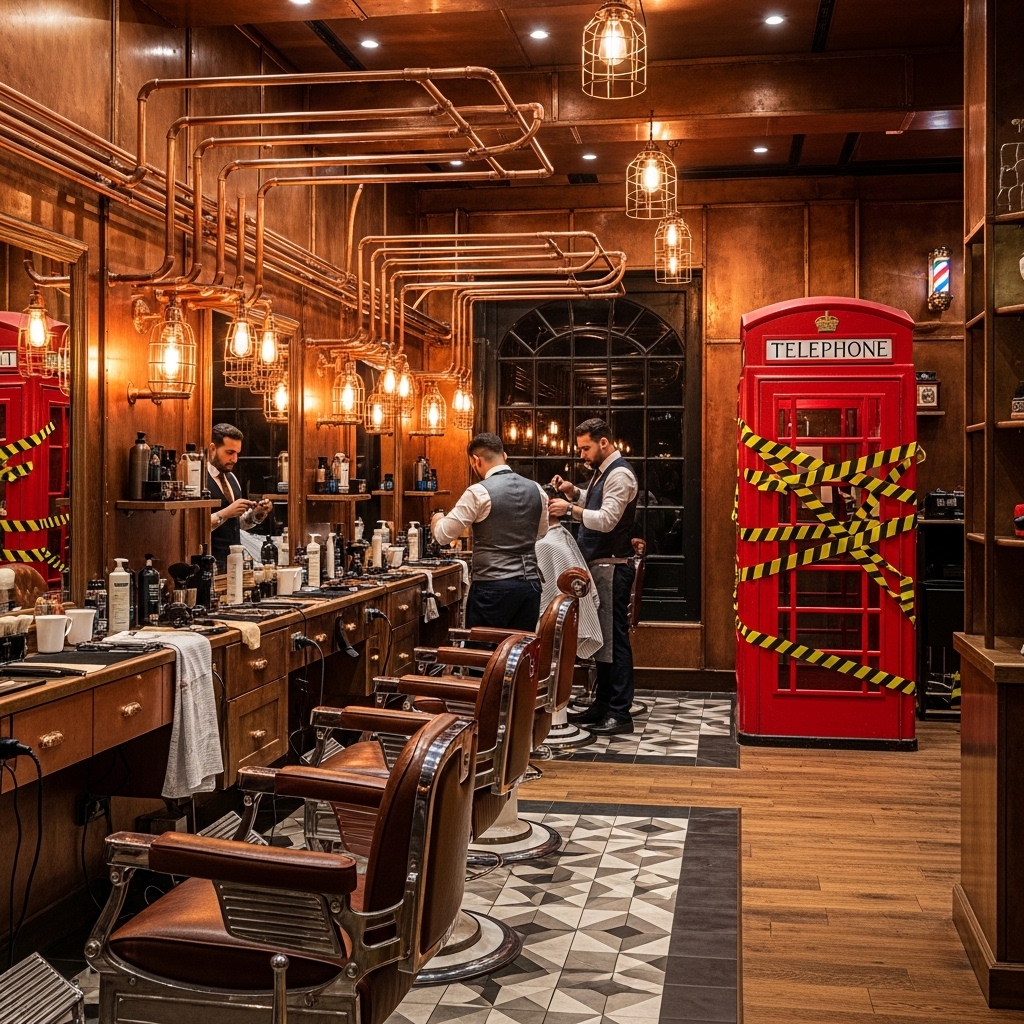
Client communication behavior has evolved. What was once considered efficient is now perceived by many as intrusive or inconvenient.
For some clients, a phone call remains direct and effective. For others, a phone call can introduce friction. Preference depends on the person, task, accessibility needs and circumstances, not simply age or demographic group. It requires immediate attention, synchronous availability, and social energy.
When booking requires voice interaction as the only pathway, a portion of modern consumers will defer, delay, or abandon the attempt entirely.
Friction Is a Design Choice
Text-based communication offers control. It allows clients to respond on their own timeline, in their own environment, without interruption. It is asynchronous, discreet, and predictable.
Voice communication is synchronous. It demands alignment in time and attention. When the channel preference of the client and the workflow of the business are misaligned, friction is introduced.
Missed calls amplify this friction. A client who initiates a call and reaches voicemail experiences both interruption and uncertainty. Some will not try again; others leave a message or use another channel. Measure the outcome for your business.
Channel Fluency, Not Channel Replacement
Modern service businesses do not choose between voice and text. They design for both.
Adaptiv Stratum supports a dual-channel reality: robust voice handling for clients who prefer to call, and structured messaging frameworks for those who prefer text.
- Respect for mobile communication: Use contact details only for the agreed purpose. Identify necessary service providers and follow the current Privacy Policy and applicable messaging requirements; do not assume that a service message authorizes marketing.
- User control: Clients retain the ability to opt out of messaging at any time.
Channel expansion should increase convenience, not compromise trust.
Design a predictable voice experience
For clients who call, explain what the assistant can handle and what happens next. Confirm a booking only after an authorized, supported calendar action succeeds. For an unavailable system, unclear request or sensitive exception, ask for clarification or use the approved human path.
Voice and text are alternatives to design and test, not guarantees that every client can or will use either one.
Record preferences and measure unresolved requests
Ask which supported channel the client prefers for the next step, retain that preference only as needed and honor messaging opt-outs. If a channel is unavailable or unsuitable, offer an approved alternative rather than silently switching.
For a limited period, compare unanswered calls, uncompleted messages, accepted callbacks and confirmed bookings by channel. Keep unknown outcomes unknown. Choose improvements from those records and direct customer feedback, not an assumed universal preference for text or voice.